
Sight
“Look deep into nature, then you will understand everything better.”
—Albert EinsteinFOREST BATHING • THE SENSE OF SIGHTSeeing the forest for the trees
Most of us spend our days looking at a screen
30 centimetres away. Nature invites us to look up, look down, and look all around.
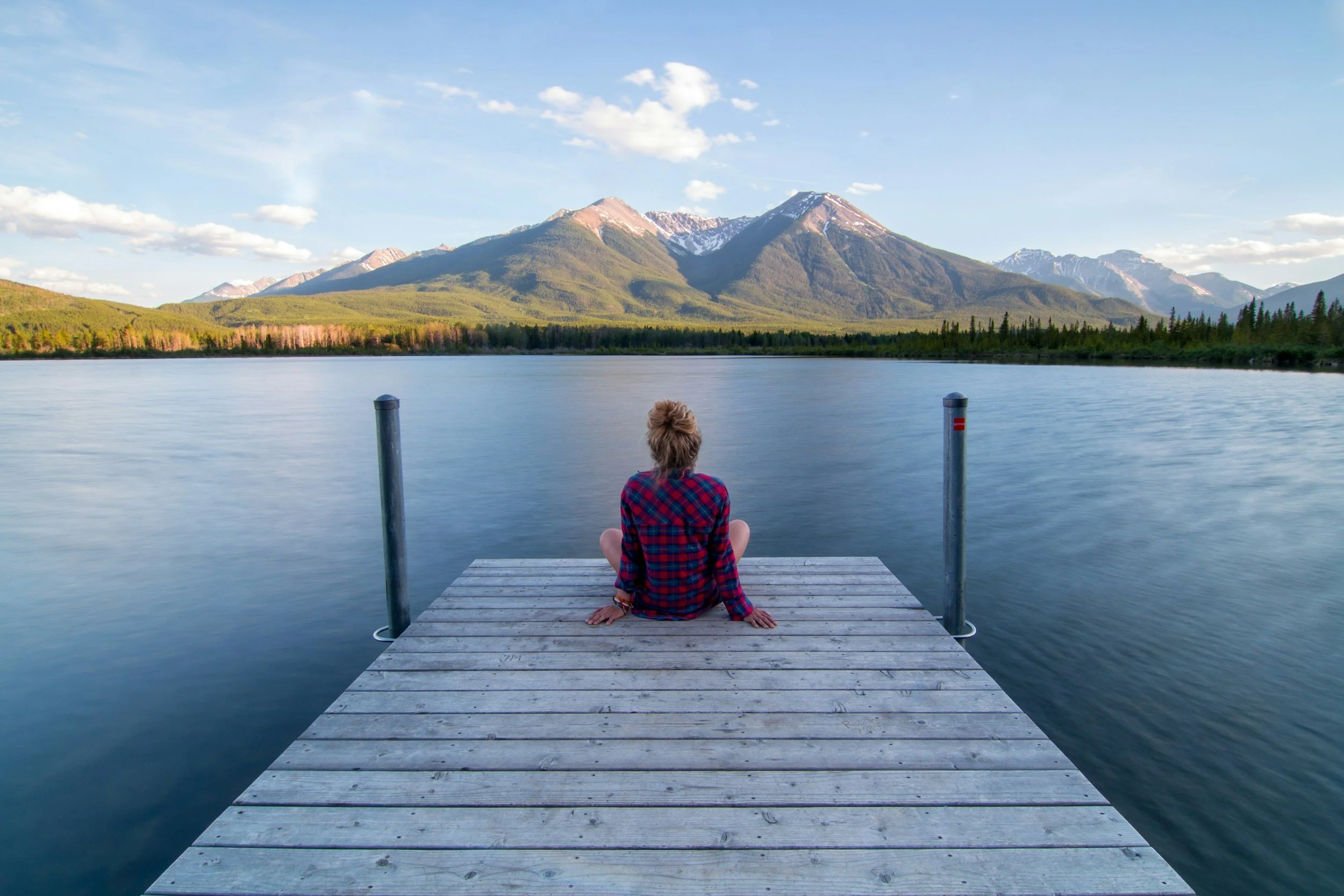
For many of us, vision is the sense we rely on most. About 80% of what we take in about the world around us comes through our eyes. In nature, our gaze gets to soften. Sunlight filters through the leaves, our eyes settle on greens and blues, and the view stretches out to the horizon.
Biophilia: we’re wired for this
Biophilia is our innate attraction to the natural world. Research in environmental psychology and evolutionary biology suggests we have preferences for certain colours and landscapes that once signalled safety, water and abundant resources. Having a natural view can aid patient recovery after surgery (Ulrich, 1984).

01
Looking
beyond
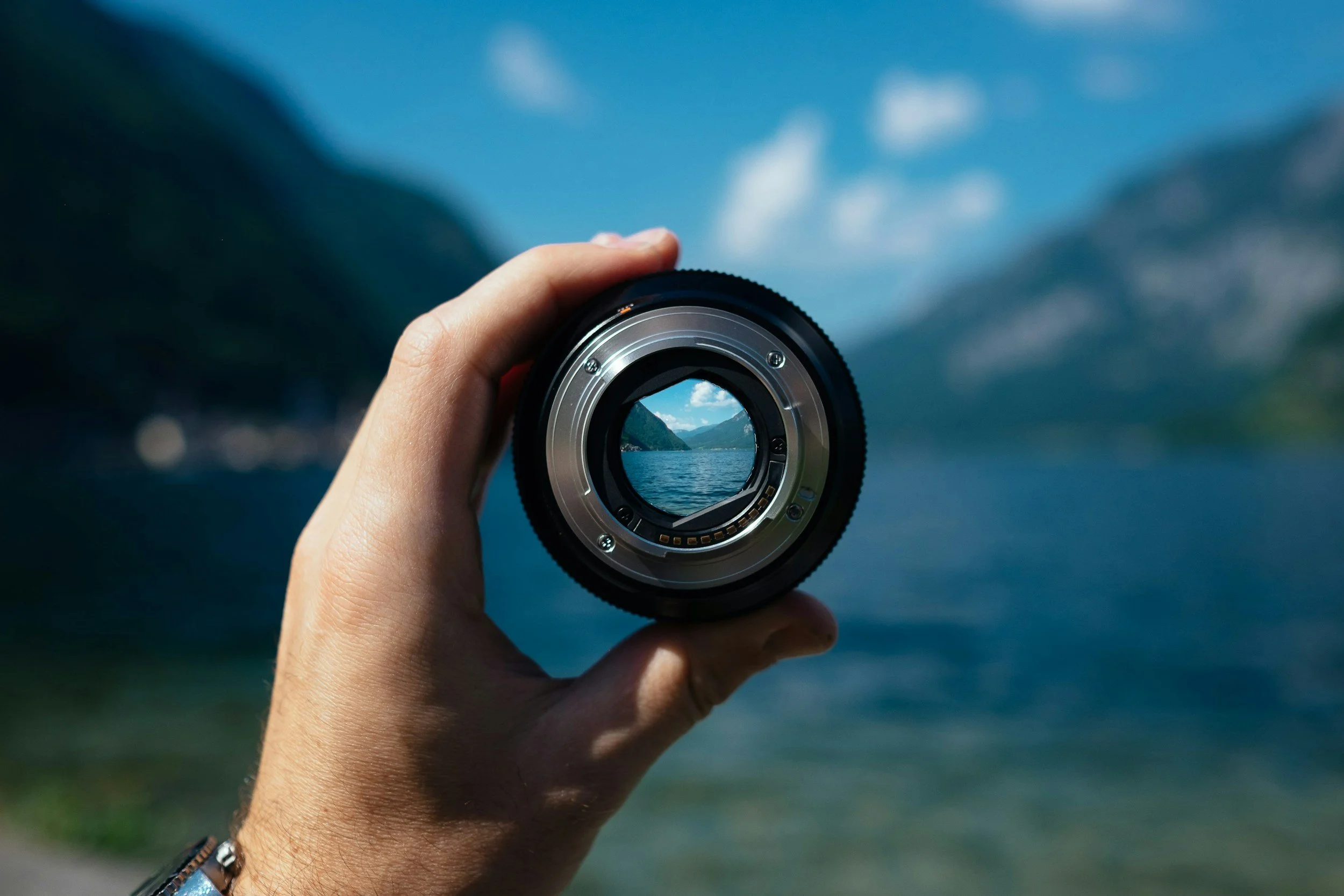
Nearsightedness has risen alongside our reliance on screens and close-up work. Time outdoors, with long views across a vista, gives the eye muscles a break and appears to help protect eyesight, especially in children.
02
Change how you look,
to change how you feel
When we're stressed, our focus narrows. Deliberately softening your gaze to take in the whole landscape, without fixing on any one thing, is a simple way to signal safety to the nervous system.
Fractals:
Order within chaos
03
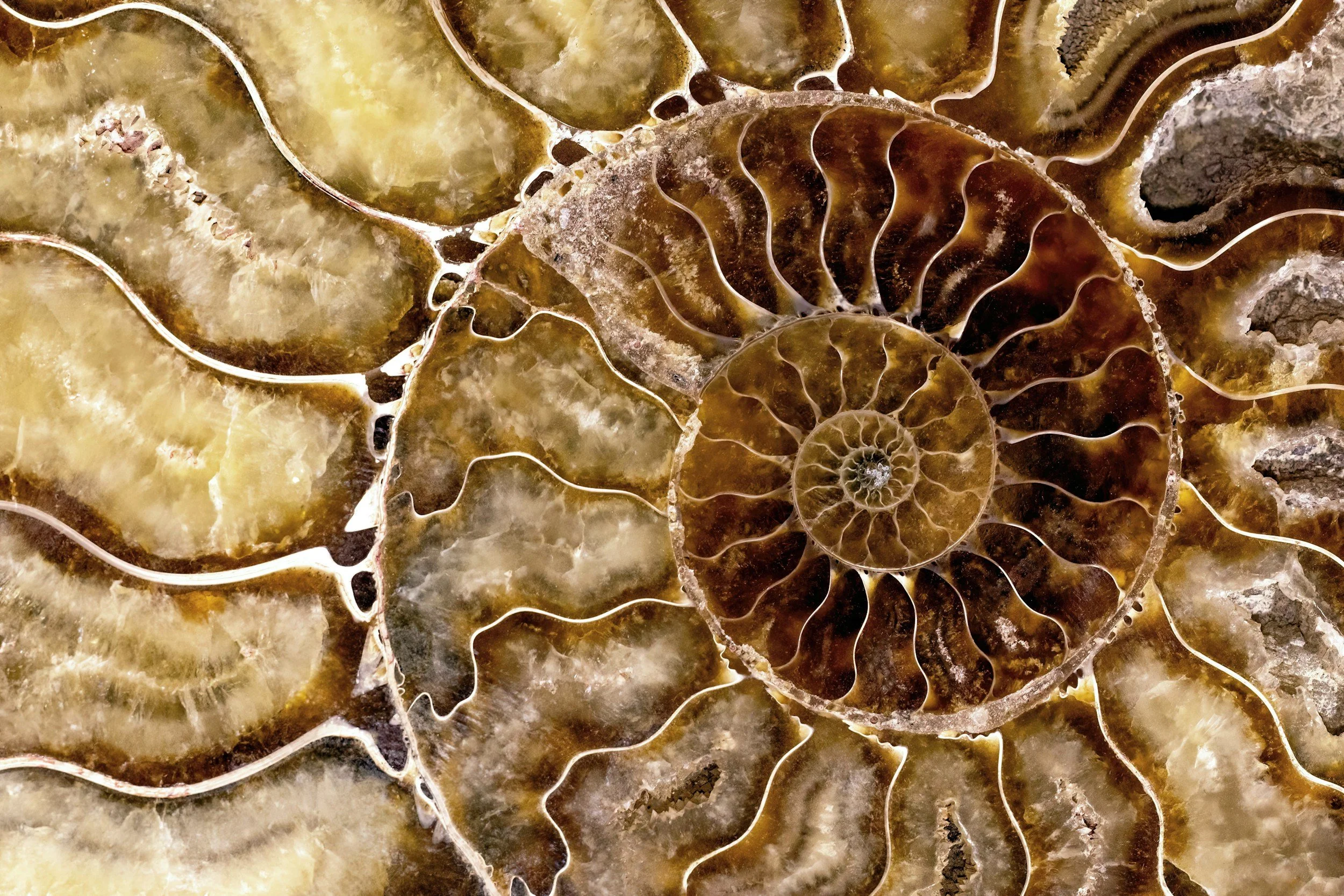
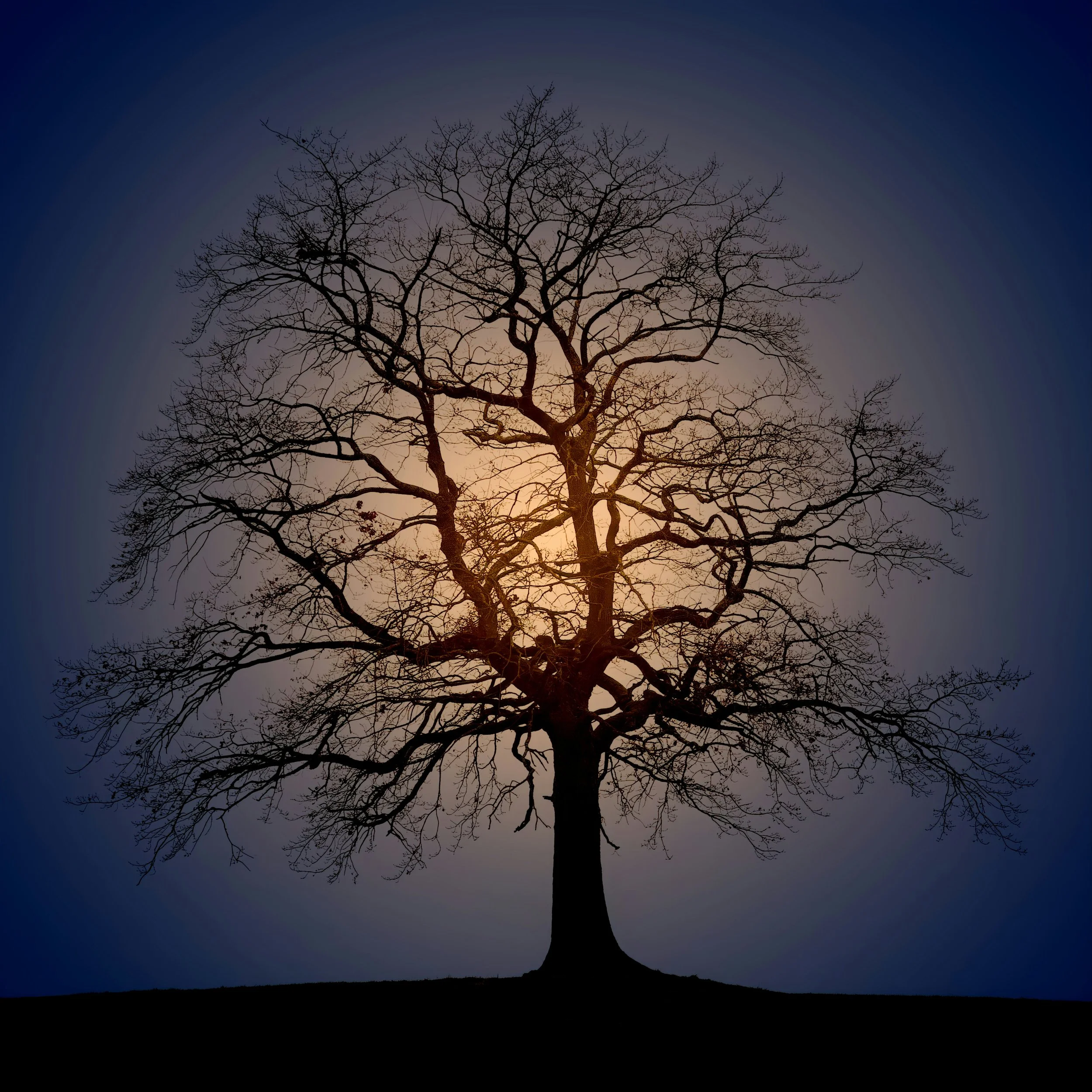
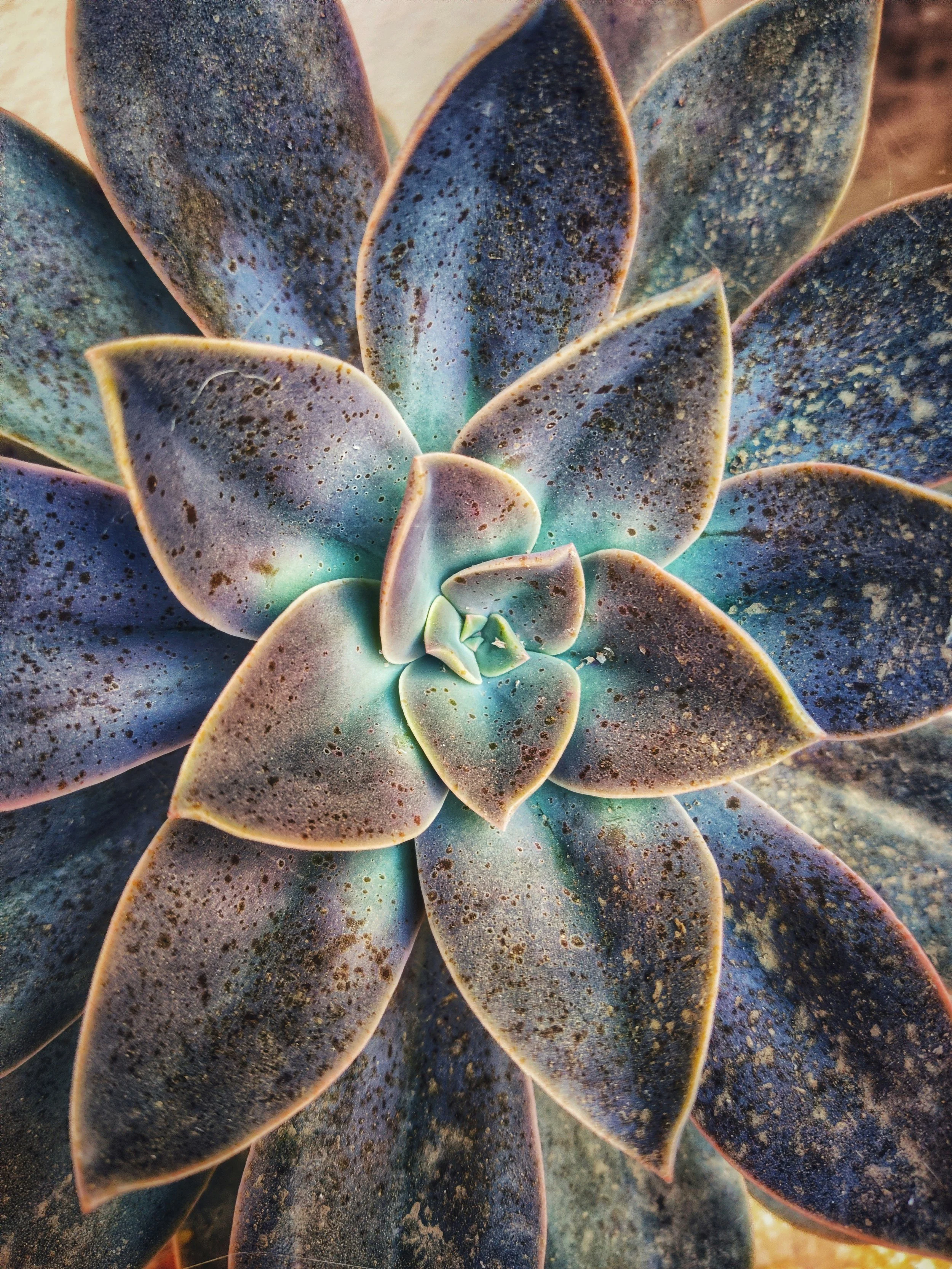
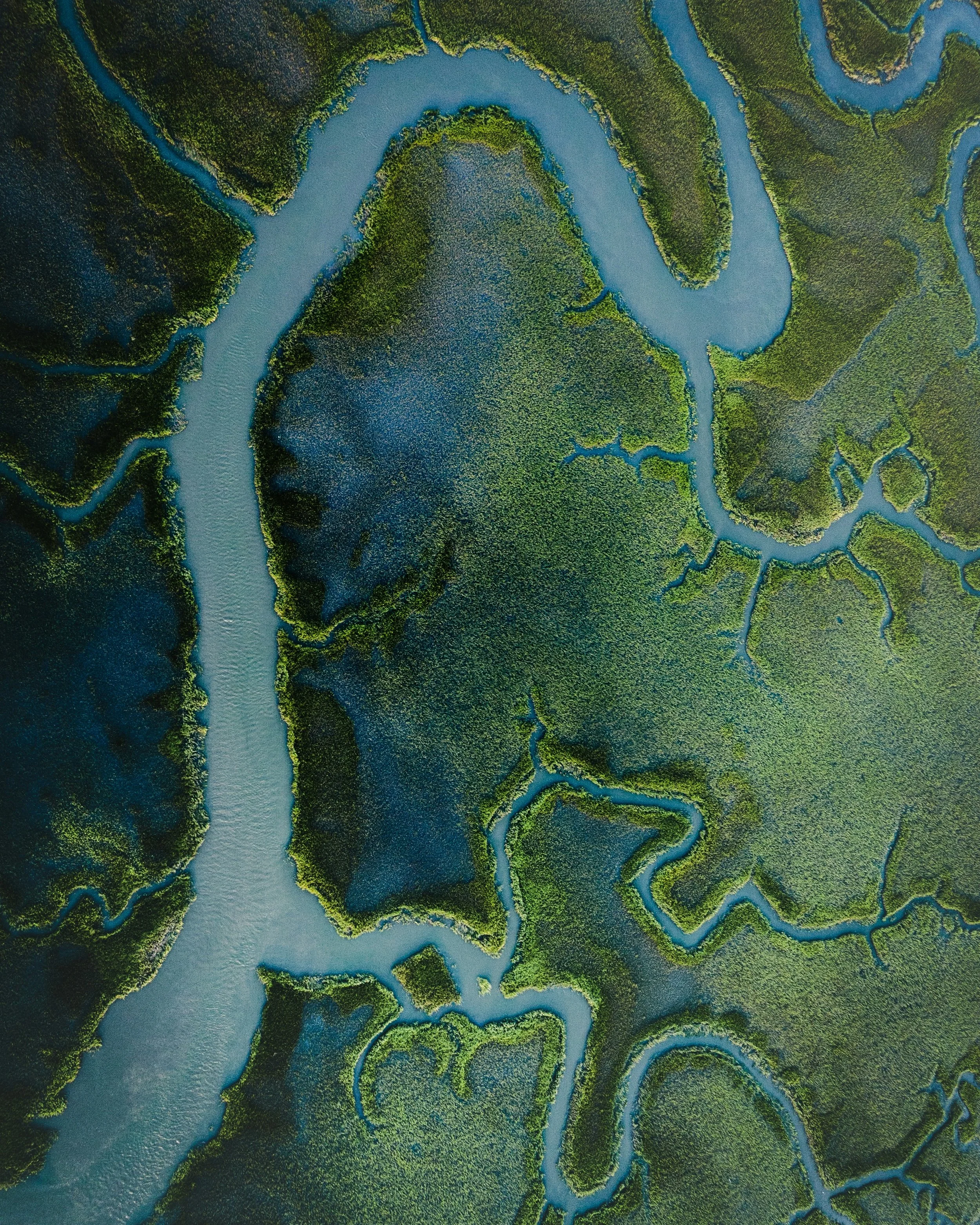
Fractals are patterns that repeat at different scales, meaning smaller parts resemble the whole. Nature is full of examples of fractals: petals, snowflakes, shells, pinecones, ferns, waves, coastlines, rivers and the branching of trees.
Due to their predictable nature, we process fractals easily, and that ease relaxes us. Research by physicist Richard Taylor suggests that viewing them can reduce stress by up to 60%. Their mesmerising beauty can also inspire awe, which slows us down, quiets worry and brings a sense of wonder.
“Fractals stir emotions by tapping into deep, universal themes: complexity and simplicity, the infinite and the finite, order and chaos.”
—Badhan Sen
04
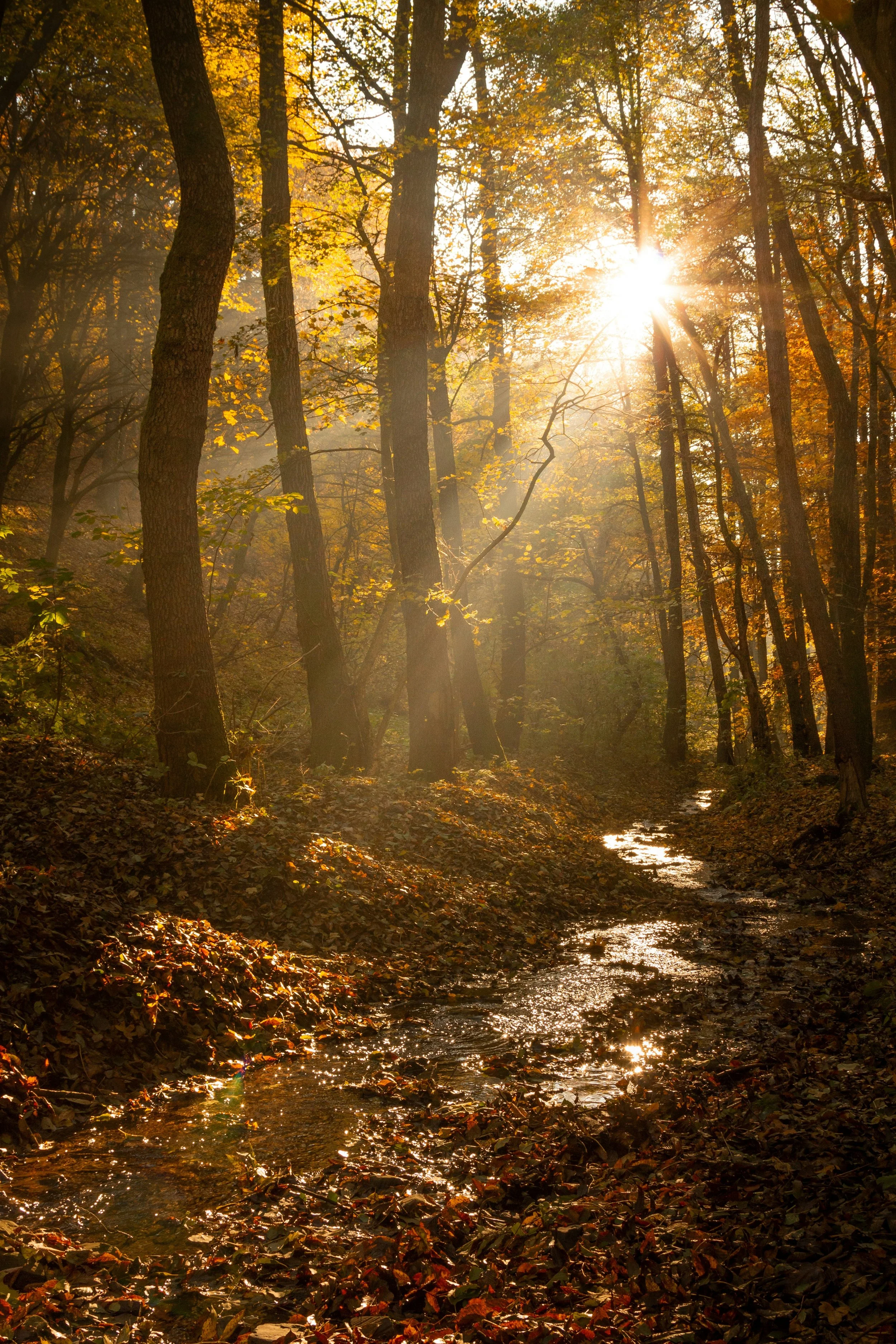
Komorebi
木漏れ日
[koh-moh-reh-bee]
(n.) scattered sunlight that filters through the leaves of trees.
Light
“Blue skies get rid of the blues.”
—Andy McGeeneyDaylight and Sleep
Harvard Medical School recommends bright light during the day to support better sleep at night and a lifted mood, and no screens for 2-3 hours before bed.
Sunshine and Mood
Sunlight helps the body make vitamin D, which is involved in the production of serotonin, a mediator in anxiety and depression. Direct sunlight matters here, not just daylight

Symphony of Sound




Slow Down
Find a comfortable spot to sit or lie down. Let your eyes close.
Settle into your breath
Let each inhale and exhale anchor you in this moment. When your mind wanders, gently return
to the rhythm of your breathing.
Listen all around you
Let your hearing open in every direction, near and far. Perhaps the breeze moving through the treetops, a distant bird call, or a bee buzzing past.
Listen like it’s music
Now change how you listen. Let the sounds wash over you without naming or sorting them.
Simply listen, as if it was a piece of music.